Services
Venipuncture
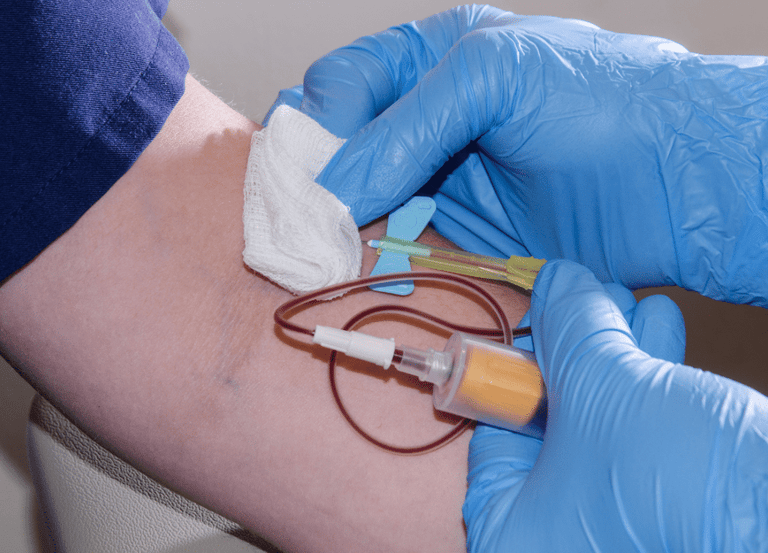
Patient Identification and Preparation – The phlebotomist verifies the patient’s identity, reviews test orders, and explains the procedure to ensure the patient is comfortable and properly prepared for the blood draw.
Site Selection and Vein Assessment – A trained professional evaluates the patient’s veins, usually in the arm, to identify the safest and most suitable site for blood collection while minimizing discomfort.
Blood Collection – Using sterile equipment such as a butterfly needle or vacutainer system, the phlebotomist performs the venipuncture to collect the required blood samples according to the laboratory’s testing requirements.
Specimen Labeling and Handling – After collection, blood samples are carefully labeled, processed, and prepared according to laboratory protocols to ensure accuracy and proper chain of custody.
Post-Procedure Care – The phlebotomist applies pressure and bandaging to the puncture site, monitors the patient for any immediate reactions, and provides instructions to prevent bruising or complications.
Specimen Collection
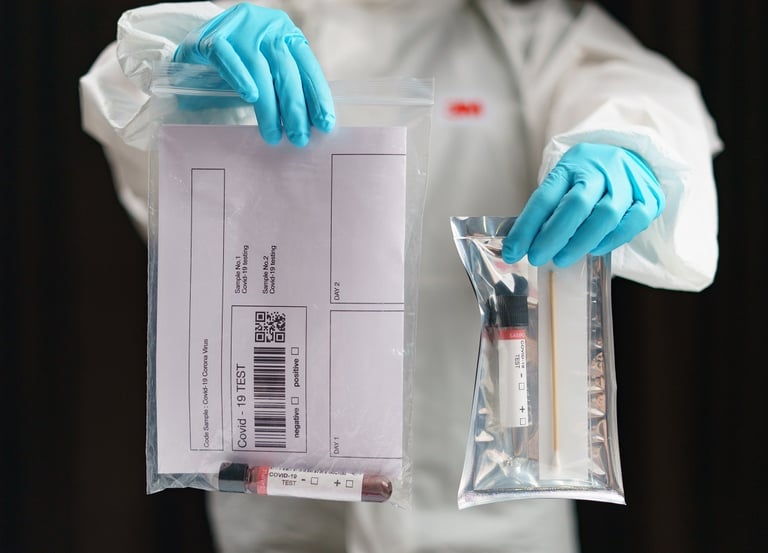
Patient Identification and Test Verification – The collector verifies the patient’s identity and confirms the laboratory orders to ensure the correct tests are being performed and that the proper specimens are collected.
Specimen Collection – Samples such as blood, urine, saliva, or other bodily fluids are collected using sterile equipment and approved clinical techniques to maintain patient safety and sample integrity.
Proper Labeling and Documentation – Each specimen is labeled immediately with the patient’s information, date, and time of collection, along with any required documentation to maintain accuracy and traceability.
Specimen Processing and Packaging – Collected samples are handled according to laboratory requirements, including proper storage, temperature control, and packaging to preserve the quality of the specimen.
Transportation and Delivery to Laboratory – Specimens are securely transported to the designated laboratory facility while maintaining chain-of-custody procedures to ensure the samples arrive safely and remain suitable for testing.
Diagnostic & Clinical Screening
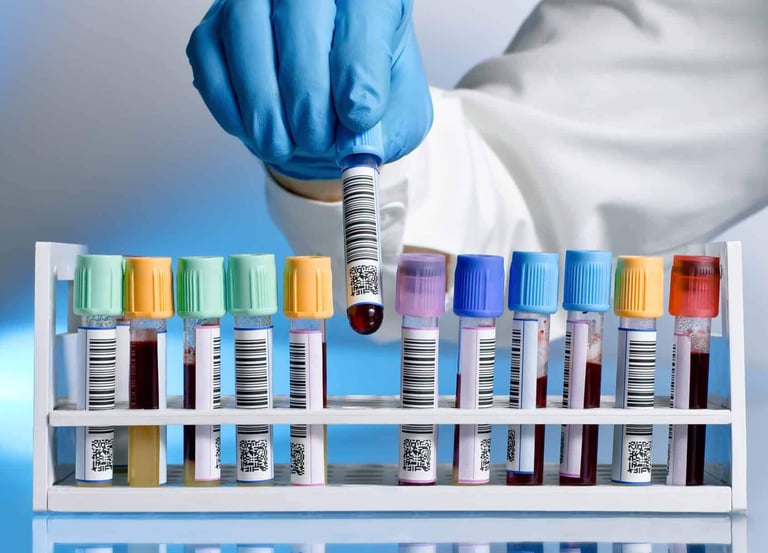
Health Risk Assessments – Basic evaluations are conducted to review a patient’s medical history, symptoms, and potential risk factors to determine appropriate screening tests.
Vital Signs Monitoring – Measurements such as blood pressure, heart rate, temperature, oxygen saturation, and sometimes blood glucose are taken to assess a patient’s current health status.
Blood and Laboratory Testing – Diagnostic blood samples or other specimens may be collected to screen for conditions such as diabetes, cholesterol levels, infections, or other underlying health concerns.
Preventive Health Screenings – Routine screenings may include tests for anemia, cholesterol levels, glucose levels, or other markers that help detect health issues before symptoms become severe.
Results Documentation and Reporting – All screening results are properly recorded and communicated to the patient and/or their healthcare provider to support further medical evaluation or treatment if necessary.
DNA & Paternity Testing
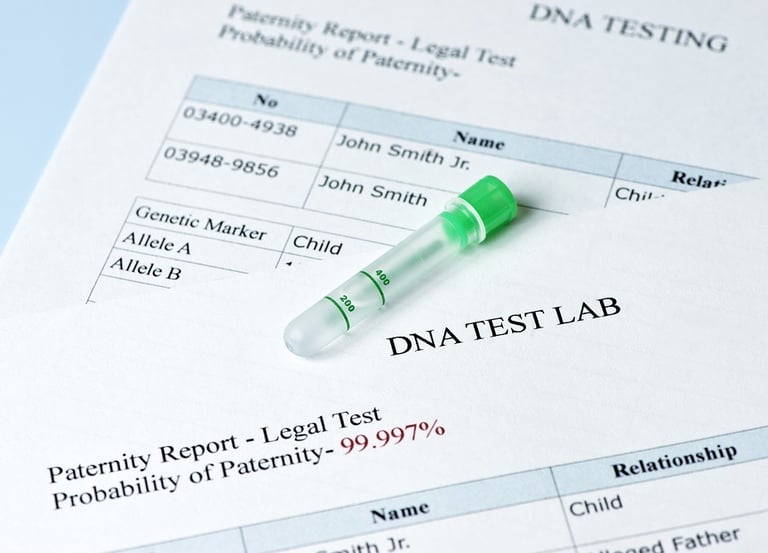
Identity Verification – Participants provide valid identification and documentation to confirm the identity of each individual involved in the test, ensuring the results are properly associated with the correct individuals.
DNA Sample Collection – A trained professional collects DNA samples, typically through a painless buccal (cheek) swab, following standardized procedures to ensure sample integrity and accuracy.
Chain-of-Custody Documentation – For legal or court-admissible testing, strict chain-of-custody protocols are followed to document who collected the sample, when it was collected, and how it was handled and transported.
Laboratory Processing and Genetic Analysis – Collected samples are sent to a certified laboratory where genetic markers are analyzed and compared to determine biological relationships or confirm paternity.
Results Reporting and Confidential Delivery – Once testing is complete, official results are prepared and securely delivered to the authorized individuals, attorneys, or courts, depending on the purpose of the test.
Corporate Wellness & Insurance
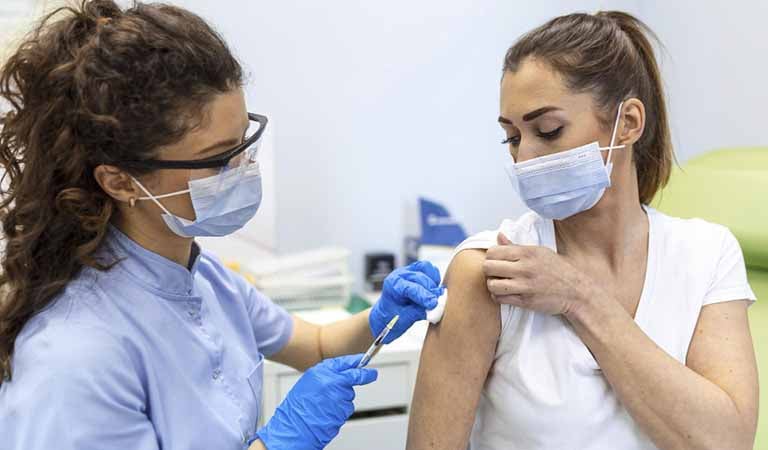
Employee Health Screenings – Basic health evaluations such as blood pressure, cholesterol, glucose testing, and body mass index (BMI) measurements are conducted to identify potential health risks among employees.
On-Site Blood Collection and Laboratory Testing – Venipuncture or specimen collection services are provided at the workplace to gather samples for routine lab testing required by wellness programs or insurance providers.
Biometric Testing – Comprehensive biometric screenings measure key health indicators including weight, height, blood pressure, cholesterol levels, and blood sugar to give employees a snapshot of their overall health.
Insurance and Compliance Testing – Required screenings and laboratory tests are conducted to meet employer-sponsored insurance program requirements, occupational health standards, or wellness incentive programs.
Health Reports and Program Documentation – Results are compiled into confidential reports that can be shared with employees and insurance providers to support wellness initiatives, risk reduction strategies, and overall workforce health management.
Point-of-Care Testing
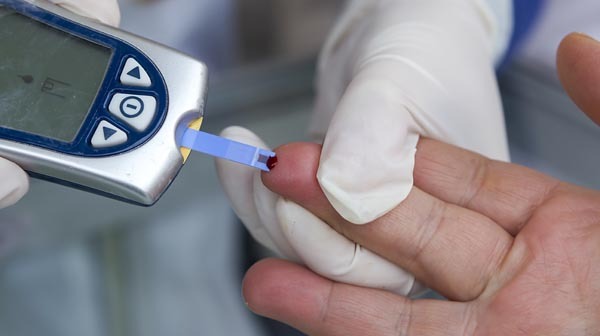
Rapid Blood Glucose Testing – Immediate blood sugar testing using a small fingerstick sample to help monitor diabetes and assess glucose levels quickly.
Rapid Infectious Disease Testing – Point-of-care tests that can quickly screen for conditions such as COVID-19, influenza, or strep throat, providing results within minutes.
Cholesterol and Lipid Panel Screening – Quick testing of cholesterol levels, including total cholesterol, HDL, LDL, and triglycerides, to evaluate cardiovascular health.
Urinalysis Testing – On-site urine testing used to screen for conditions such as urinary tract infections, kidney issues, dehydration, or glucose abnormalities.
Pregnancy and Hormone Testing – Rapid testing using urine or blood samples to detect pregnancy or certain hormone levels, allowing patients to receive results during the same visit.
Mobile EKGs
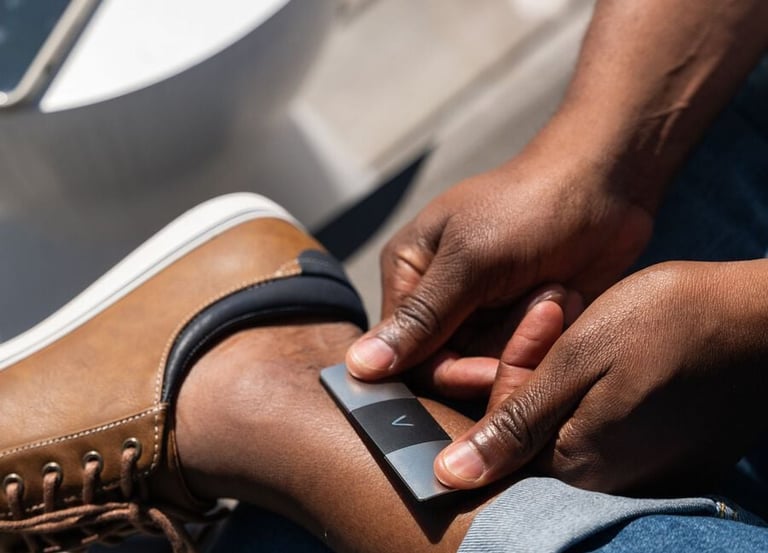
On-Site Electrocardiogram Testing – A trained technician performs a standard 12-lead EKG to record the electrical activity of the heart and identify potential abnormalities such as arrhythmias or irregular heart rhythms.
Cardiac Rhythm Monitoring – The EKG test evaluates heart rate and rhythm to help detect issues such as atrial fibrillation, tachycardia, or other cardiac irregularities.
EKG Data Recording and Documentation – The results are carefully recorded and stored digitally to ensure accurate documentation and easy sharing with physicians or healthcare providers.
Physician or Specialist Review – Collected EKG data is transmitted to a physician or cardiologist for professional interpretation and clinical evaluation when required.
Secure Reporting and Follow-Up Coordination – Final reports are delivered to the ordering provider or healthcare facility, allowing for timely diagnosis, treatment recommendations, or further cardiac testing if needed.
Specialty Testing Kits
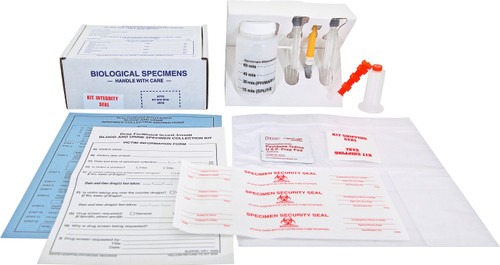
Specialized Sample Collection – Trained professionals collect samples such as blood, saliva, urine, or swabs using manufacturer-approved specialty testing kits to ensure proper collection methods are followed.
Patient Instruction and Test Preparation – Patients receive clear guidance on how the test works, preparation requirements, and any necessary steps before or after sample collection to maintain the accuracy of the test.
Kit Handling and Activation – Each testing kit is properly registered, activated, and documented according to the laboratory or manufacturer’s instructions to ensure the results are correctly linked to the patient.
Secure Packaging and Shipment – Collected samples are carefully packaged following laboratory and biohazard safety guidelines to ensure the specimen remains viable during transport to the testing facility.
Laboratory Coordination and Results Processing – The samples are delivered to the designated specialty laboratory where advanced testing is conducted, and the results are processed and reported to the ordering provider or patient according to the program requirements.
Quick Draw Mobile Phlebotomy
© 2025. All rights reserved. A Proud PCC Business